Showing posts with label Environmental Health. Show all posts

Saturday, May 9, 2020

COVID-19:Cleaning and Disinfection for Community Facilities

Interim Recommendations for U.S. Community Facilities with Suspected/Confirmed Coronavirus Disease 2019 (COVID-19)

There is much to learn about the novel coronavirus (SARS-CoV-2) that causes coronavirus disease 2019 (COVID-19). Based on what is currently known about the virus and about similar coronaviruses that cause SARS and MERS, spread from person-to-person happens most frequently among close contacts (within about 6 feet). This type of transmission occurs via respiratory droplets, but disease transmission via infectious aerosols is currently uncertain. Transmission of SARS-CoV-2 to persons from surfaces contaminated with the virus has not been documented. Transmission of coronavirus in general occurs much more commonly through respiratory droplets than through fomites. Current evidence suggests that SARS-CoV-2 may remain viable for hours to days on surfaces made from a variety of materials. Cleaning of visibly dirty surfaces followed by disinfection is a best practice measure for prevention of COVID-19 and other viral respiratory illnesses in community settings.

It is unknown how long the air inside a room occupied by someone with confirmed COVID-19 remains potentially infectious. Facilities will need to consider factors such as the size of the room and the ventilation system design (including flowrate [air changes per hour] and location of supply and exhaust vents) when deciding how long to close off rooms or areas used by ill persons before beginning disinfection. Taking measures to improve ventilation in an area or room where someone was ill or suspected to be ill with COVID-19 will help shorten the time it takes respiratory droplets to be removed from the air.

[FOR MORE...]

Saturday, November 2, 2019

Can I Recycle This? A Guide for Do-Gooders

By: Jason Woods


If you’re paying attention even a little bit, it’s easy to find some alarming news about human consumption and how it affects the Earth. If we want to prevent a future where we all live on a Wall-E-style trash planet, an easy place to start is recycling at home.

Make the Planet a Better Place
While you're becoming a better recycler, also consider donating to our work to end hunger and poverty while caring for the Earth.

But is it that easy, though?
On a daily basis, I try to get some quick Good Place points by recycling. But an irritatingly high percentage of the time, a more seasoned do-gooder hits me with an “Actually, you can’t recycle that” before I can get to the bin. Apparently, I’ve been an “aspirational recycler”all this time, which does more harm than good.

So it’s time to reform. Here’s a simple guide for what goes in your home recycling bin to make sure you and I are recycle-shamed no more. (And, you know, actually helping the environment).

Before we dive in, keep in mind that it never hurts to check with your local recycler to see what can and can’t be recycled — some recycling facilities can handle more types of materials than others. And whatever you're recycling, make sure to rinse all food residue before putting it in the bin.

Can you recycle plastic?
This is probably the most complicated question on the list. And it’s arguably the most important—after food, plastics take up the most space in municipal landfills. So let’s break it down.

YES: Bottles, jars, jugs......

Friday, September 14, 2018

Millions Face The Life-Threatening Dangers Of Poor Sanitation

In our ever changing and evolving world, improvements in living conditions are essential. Sanitation is our first line of defense against communicable diseases and epidemics of infectious diseases such as influenza, typhoid, cholera, and more.

And while developed nations tend to have outstanding methods of sanitation and good hygiene practices, developing nations still lose millions of lives every year because of poor or non-existent sanitation systems, according to the World Bank (2017). But knowing generally about the problem doesn’t really help you understand just how bad the situation really is. In order to move toward change, a clear-eyed view of the problem is essential. Here’s what you really need to know.

The Stark Lack of Basic Sanitation Around The World
Modern sanitation facilities are vital to public health. And while access to sanitary facilities has increased dramatically in the past twenty years, nearly 2.3 billion people still don’t have toilets or access to upgraded latrines. Thankfully, the General Assembly of UN declared access to safe drinking water and modern sanitation as a human right in 2010. International efforts to help provide safe and accessible drinking water and sanitation are underway.

[READ MORE...]

Tuesday, August 21, 2018

प्रदूषणबाट पीडितले क्षतिपूर्ति पाउने

काठमाडौं । नेपालको संविधानले व्यवस्था गरेबमोजिम अब प्रदूषणबाट पीडित व्यक्तिले तोकिएबमोजिम क्षतिपूर्ति पाउने भएका छन् । 

त्यसको लागि सरकारले वातावरणीय प्रदूषण वा ह्रासबाट हुने क्षतिबापत पीडितलाई प्रदूषकबाट कानूनबमोजिम क्षतिपूर्ति पाउने व्यवस्था गर्न ‘वातावरण संरक्षण ऐन, २०५३ मा आवश्यक संशोधन गर्ने तयारी थालेको छ । पीडितलाई प्रदूषकबाट क्षतिपूर्ति पाउने व्यवस्था गर्न वन तथा वातावरणमन्त्री शक्तिबहादुर बस्नेतले ‘वातावरण संरक्षण ऐन, २०५३ लाई संशोधन गर्न बनेको विधेयक’ सङ्घीय संसद् सचिवालयमा दर्ता गराएका छन् । सो प्रावधान लागू गर्न मन्त्रालयले मूल ऐनको दफा १७ मा संशोधनको प्रस्ताव गरेको जनाएको छ । प्रस्तावअनुसार कसैले वातावरण ऐन विपरीत प्रदूषण वा फोहरमैला गरेको कारणबाट कुनै व्यक्ति वा संस्थालाई हानिनोक्सानी पुग्न गएमा त्यस्तो व्यक्ति वा संस्थाले क्षतिपूर्ति भराई पाउन निवेदन दिन सक्नेछ । त्यस्तो निवेदनका सम्बन्धमा तोकिएको अधिकारीले क्षतिको यकिन गरी त्यसरी हानिनोक्सानी पुर्याउने व्यक्ति, संस्था वा प्रस्तावकबाट पीडितलाई तोकिएबमोजिम क्षतिपूर्ति भराई दिनुपर्ने विधेयकमा प्रस्ताव गरिएको छ ।

[READ MORE...]

Thursday, July 26, 2018

Is air pollution making you sick? 4 questions answered

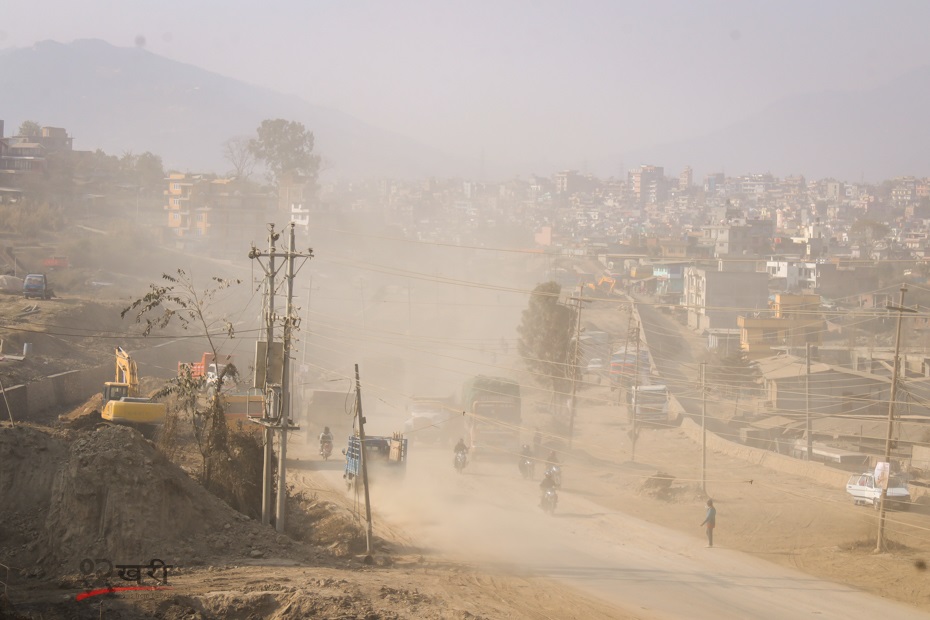
Not a day seems to go by without a story of an “airpocalypse,” usually somewhere in a developing nation. It’s hard not to empathize with the people in the smoggy images of New Delhi or Ulaanbataar or Kathmandu, often wearing masks, walking to school or work though soupy cloudiness.

Last year, a study found that more than 8 million people per year die early from air pollution exposure. This amounts to more deaths than diarrheal disease, tuberculosis and HIV/AIDS combined. 
1. What exactly is air pollution?
Air pollution is a general term that usually describes a mixture of different chemicals that circulate in the air.

Invisible gases, like ozone or carbon monoxide, and tiny particles or droplets of liquids mix together in the atmosphere. Each molecule is impossible to see with the naked eye, but when trillions gather together, you can see them as haze.


Smoking must be history not just for the wealthy

By: Katie Coyne
Pregnant women and people on lower incomes need more help to stop smoking according to the latest figures from Public Health England and the Office for National Statistics.

Smoking rates for pregnant women have stuck at 11 per cent for the past three years and a new measure has been added that finds people on lower incomes are more likely to smoke.

ONS and PHE smoking figures for 2017 published on Tuesday found one in four routine and manual workers are smokers compared to one in ten in professional and managerial jobs.


Tuesday, July 24, 2018

Nepal’s air quality is worst in the world: EPI report

Air quality in Nepal is the worst in the world, with the country being ranked at the bottom among the 180 countries surveyed in terms of air-quality in a global study.

The latest global Environmental Performance Index (EPI) was released on Tuesday by Yale University and Columbia University in collaboration with the World Economic Forum. The EPI report ranks the countries on 24 indicators across 10 categories, covering environmental health and ecosystem vitality. Environmental health also includes two other components of water and sanitation and exposure to heavy metals.


[FOR MORE...]

Friday, July 20, 2018

-International Federation of Environmental Health (IFEH) Academic World Conference 2019

[International]
-International Federation of Environmental Health (IFEH) Academic World Conference 2019
The Makerere University School of Public Health, Kampala, Uganda, is hosting the 3rd IFEH World Academic Conference on Environmental Health 9 - 11 April 2019
[FOR MORE...]


फोहोरमा फूलबारी

श्रावण ४, २०७५ रमेशचन्द्र अधिकारी
धनकुटा — चारैतिर हरियाली वन र मध्य भागमा कुनै कलाकारले मन लगाएर बनाएको चित्रझैं सुन्दर फूलबारी । त्यहाँ पुगेर रमाइरहेका बाह्य र आन्तरिक पर्यटकले आफू फोहोरको थुप्रोबाट सजिएको फूलबारीमाथि उभिएको छु भन्ने भेउ पाउँदैनन् ।

धनकुटा नगरपालिकाले ल्यान्डफिल साइटको फोहोर व्यवस्थापनबाट वडा नम्बर ६ स्थित सल्लेरी वनमा निर्माण गरेको फूलबारीले पछिल्लो समय हरेकको मन जित्दै गएको छ । सामान्यतया फोहोर व्यवस्थापनस्थल भन्नासाथ झिँगा भन्किएको र दुर्गन्धले वातावरणीय असर पुर्‍याएको ठाउँ भन्ने मनमा आउँछ । तर धनकुटा नगरले संकलित गरेको फोहोरलाई उचित व्यवस्थापन गरेर सुन्दर फूलबारीको रूप दिएको हो ।